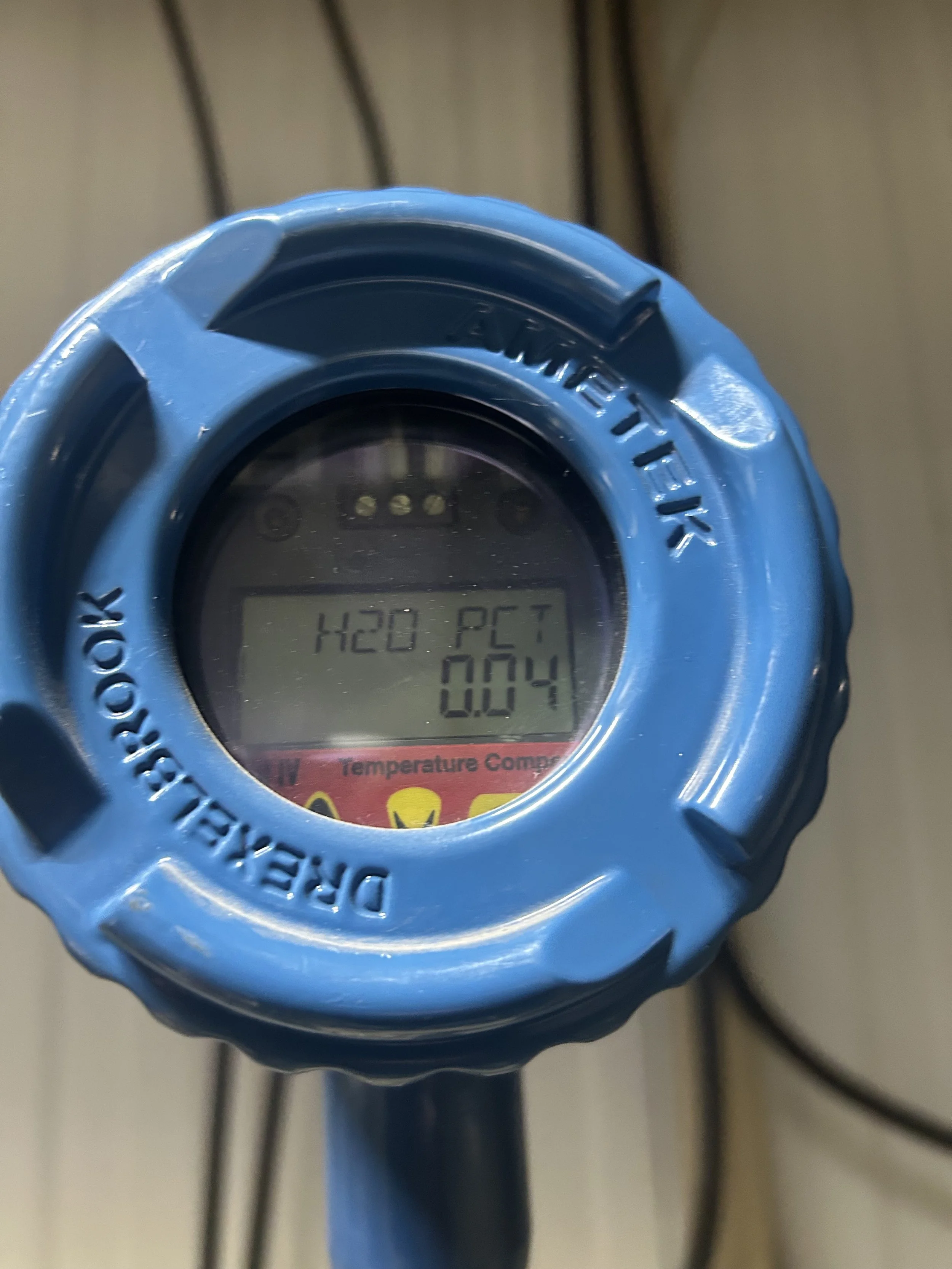


RVPe….What’s That???
Reid Vapor Pressure Equivalent (RVPE), determined using ASTM D6377, is a critical metric for understanding crude oil volatility. By using closed-system testing methods, ASTM D6377 provides a safer, more accurate representation of vapor pressure—helping operators ensure transportation safety, regulatory compliance, and custody transfer confidence.
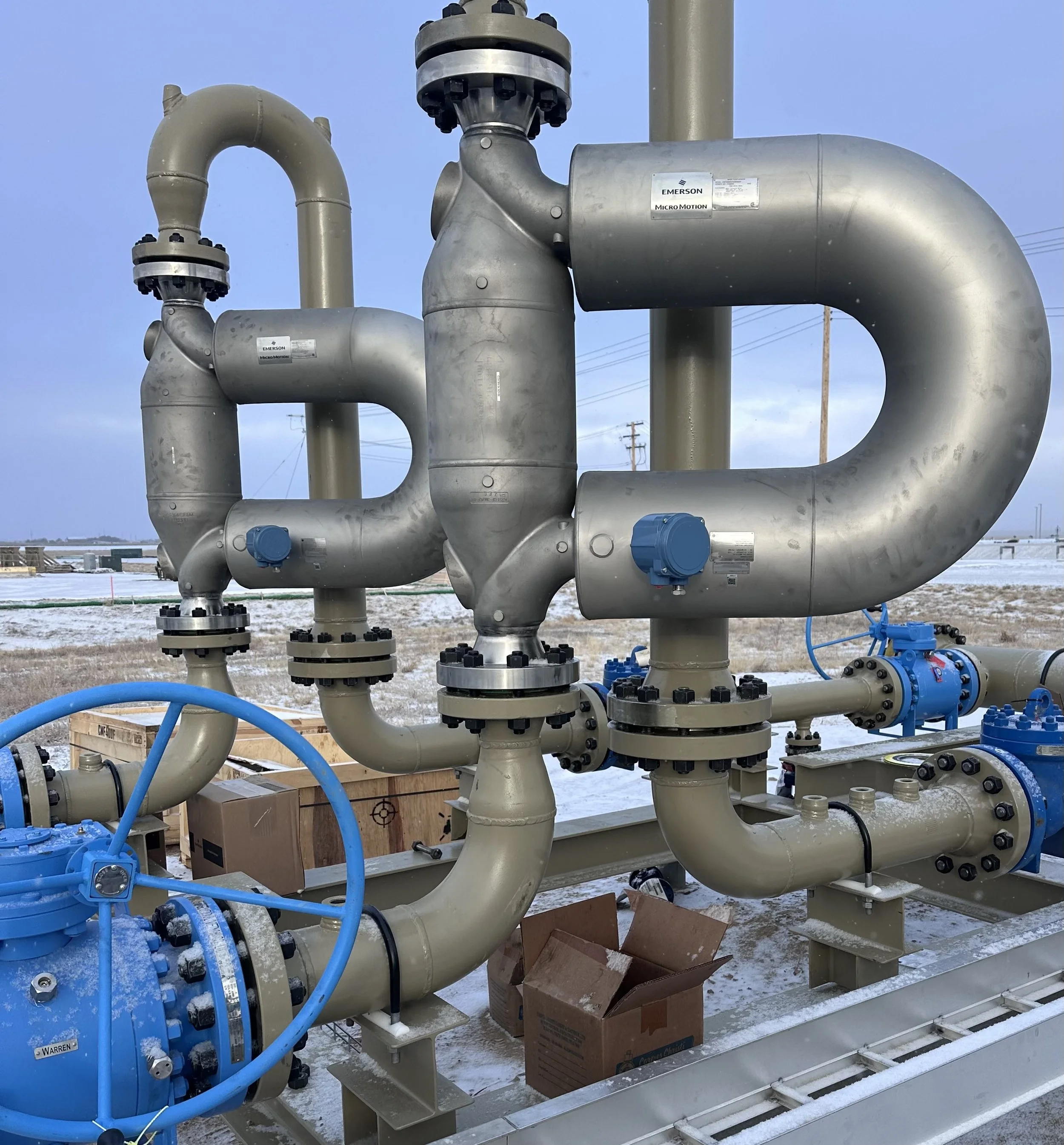
No big deal, It’s just a check meter
Check meters may not generate the invoice, but they play a critical role in validating measurement systems. Proving check meters ensures verified accuracy, supports allocation confidence, and helps identify meter issues before they impact operations or revenue.
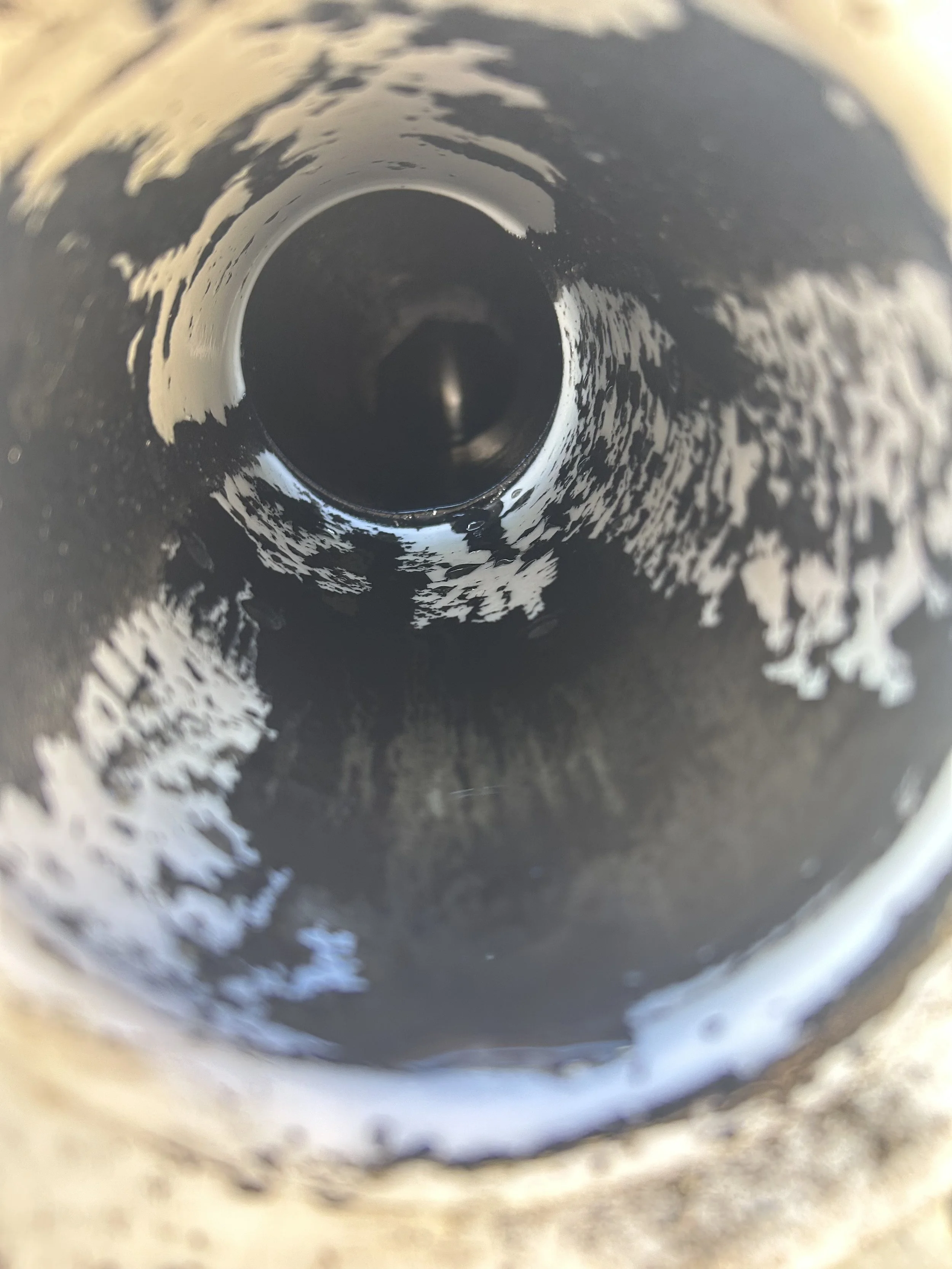
Why Proving Produced Water Meters MatterS
Produced water volumes are increasing, and so is the importance of accurate measurement. Magnetic and Coriolis meters operating in water service are exposed to harsh conditions that can cause drift over time. Regular proving verifies real-world performance, protects against volume discrepancies, and ensures measurement data remains defensible for reporting, billing, and compliance.

Why Temperature Average Transmitter Calibration Is Critical in Oil & Gas Measurement
Accurate temperature measurement is one of the most critical—and most overlooked—factors in crude oil custody transfer. API standards and BLM CFR 3174 mandate regular calibration for a reason: even a 1°F error can distort net volumes, invalidate meter proving, and expose operators to costly non-compliance.

Why Witnessing Meter Provings and Measurement tasks are Crucial for All Parties
Witnessing meter provings is one of the most effective ways to protect all parties in custody transfer. By having producers, transporters, and purchasers present, everyone can verify that the proving was performed correctly, meter factors are accurate, and documentation meets regulatory requirements. This not only builds trust and transparency but also prevents costly disputes and ensures compliance with API standards.
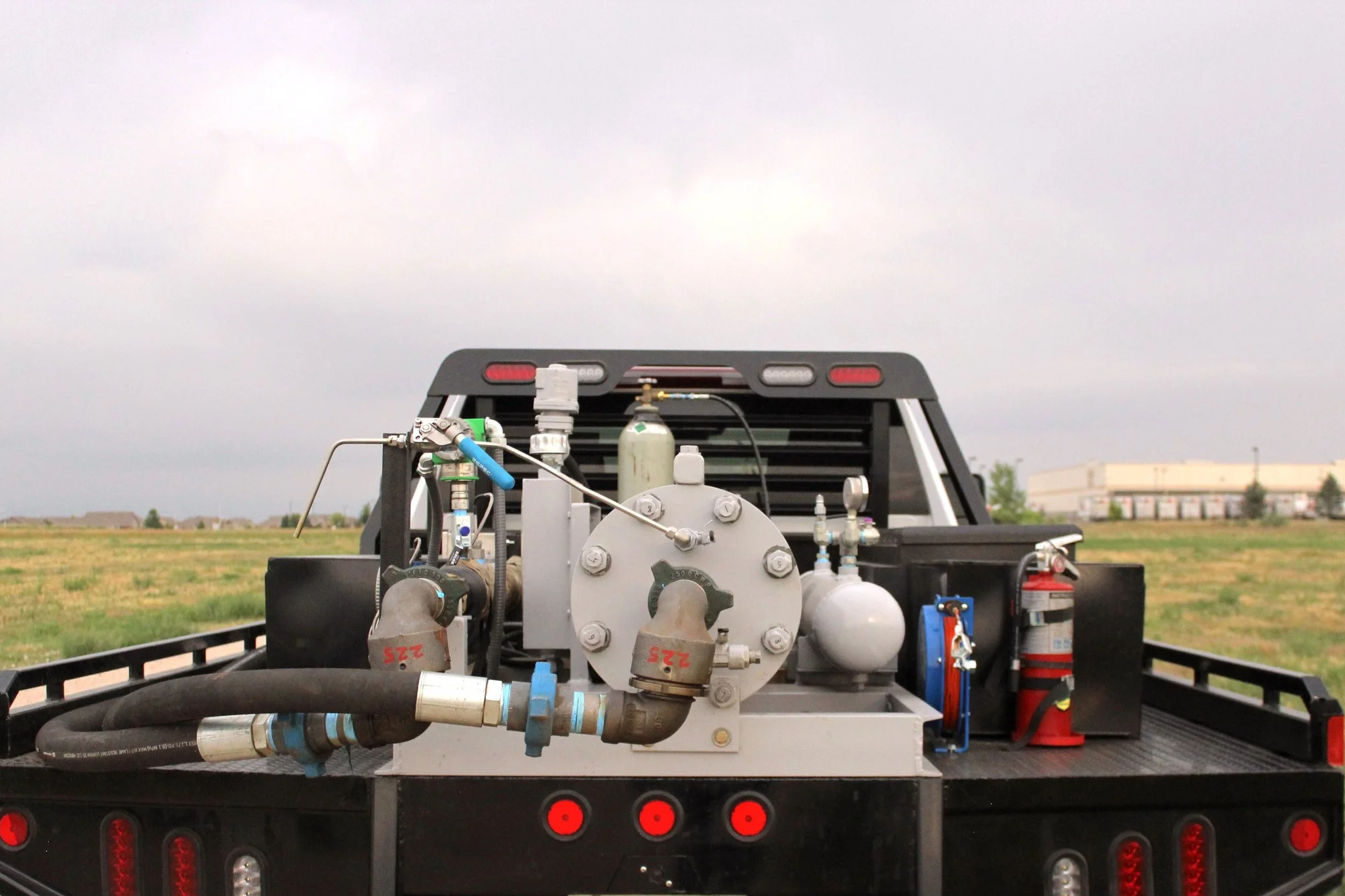
Why Meter Proving is Critical in Liquid Measurement
Accurate measurement is the backbone of the oil and gas industry. This article explains why meter proving is essential for financial accuracy, regulatory compliance, and building trust across every transaction.

how should chemical be categorized—oil or water?
In API 10.4 grind out testing, a common gray area is how to classify chemical additives—should they be counted as oil or water? While the standard doesn’t directly address chemical treatment, how you categorize oil-soluble and water-soluble chemicals can significantly impact custody transfer accuracy, royalty payments, and production balances. This post explores industry best practices for handling chemicals during grind outs and offers guidance on creating consistent, defensible measurement procedures.